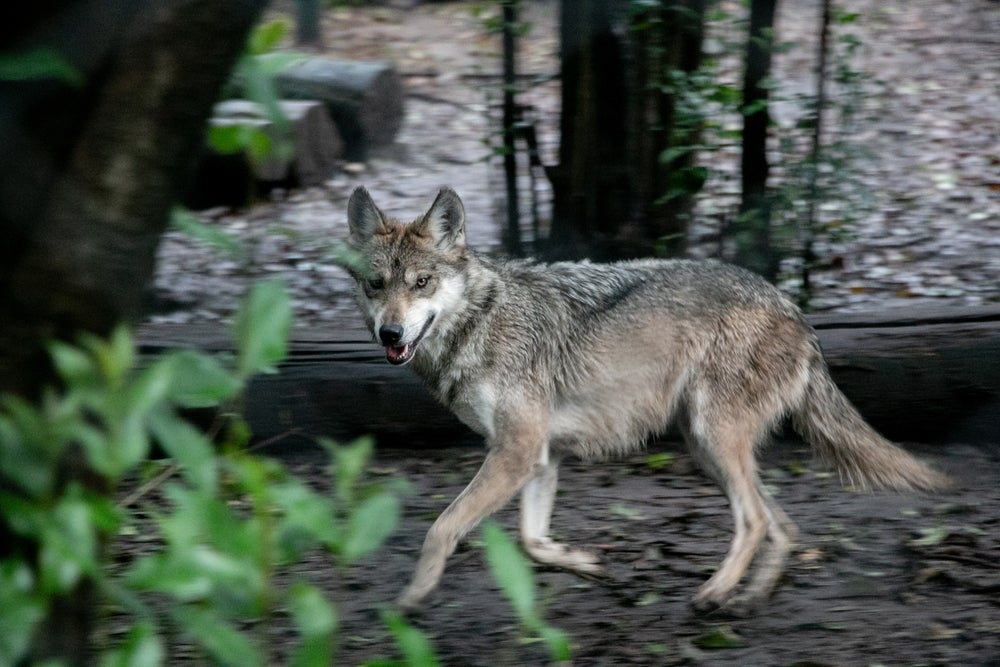







In a bipartisan vote of 211-204, the U.S. House passed the Pet and Livestock Protection Act (H.R. 845) on Dec. 18, legislation aimed at removing the gray wolf from the Endangered Species Act and restoring management authority to the states.
“When federal protections were first established for gray wolves in the Great Lakes region, populations were only in the hundreds,” said Rep. Tom Tiffany (R-Wis.). “Today, there are well over 4,000 wolves across Michigan, Minnesota, and Wisconsin. Despite this recovery, activist judges continue to ignore the science, leaving livestock and pets to be slaughtered and rural communities vulnerable.”
Tiffany said the bill reflects a “commonsense approach” that has been supported across multiple administrations. “The gray wolf has recovered, and Wisconsin should be allowed to responsibly manage a population that has exceeded recovery goals without interference from out-of-state judges,” he said.
Rep. Lauren Boebert (R-Colo.), a co-sponsor of the bill, called House passage a victory for agriculture. “The science has been clear for years: gray wolves are fully recovered, and their resurgence deserves to be celebrated as a true conservation success story,” Boebert said. “It’s long past time to delist them and empower states to set their own management policies.”
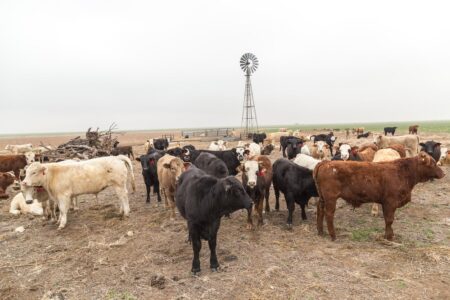
Livestock organizations applauded the vote, pointing to ongoing economic and emotional strain on producers. “For too long, ranchers have grappled with the pendulum swing of regulatory determination on the gray wolf,” said Buck Wehrbein, president of the National Cattlemen’s Beef Association. “The last three presidents have concluded that the gray wolf is fully recovered, yet lawsuits from activist groups have forced the agency to back away from sound science and keep the wolf listed.”
Wehrbein added that the legislation would “give management decisions and certainty back to cattle producers, who are suffering financially and emotionally from wolf depredations that increase every year.”
The bill now heads to the U.S. Senate for consideration.
»Related: More wolves, more conflict: Ranches struggle with increasing depredation