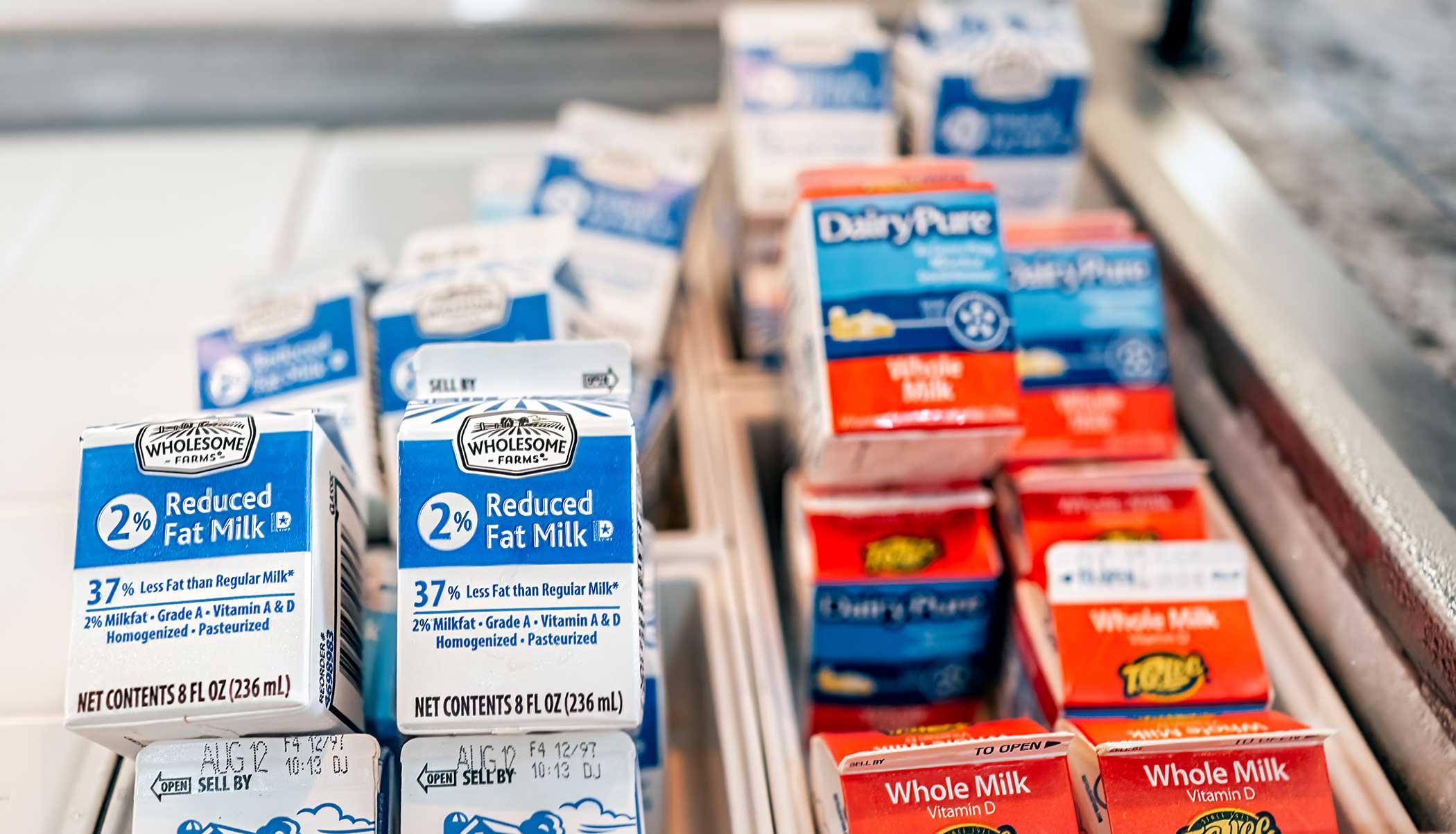







The Whole Milk for Healthy Kids Act cleared its final legislative hurdle on Capitol Hill today, after passing a Senate vote in November and now passing the U.S. House of Representatives. The bill will now head to the president’s desk, where he is expected to sign it.
The bipartisan legislation would allow whole (3.25 percent) and reduced-fat (2 percent) milk to once again be served in school cafeterias nationwide, reversing federal school-meal rules that shifted menus away from higher-fat milk options beginning in 2012. Supporters argue the change aligns school offerings with what families already choose at home and reflects more recent nutrition research indicating milk across fat levels can fit within healthy dietary patterns.
“We are advancing bipartisan legislation that will improve children’s access to milk and other healthy beverages through school lunches,” said Democratic Ranking Member Amy Klobuchar of Minnesota after it passed the Senate. “This legislation is good for our kids, and it’s good for our dairy producers — a win-win.”
Backers also say the bill gives schools more flexibility rather than imposing a mandate, while keeping nondairy options available for students who need them.
“Passage of this bipartisan bill moves us closer to ensuring students have access to the nutritious beverages they need for healthy growth. I’m proud of our collaboration to advance this commonsense solution to expand school milk options, encourage increased dairy consumption and support America’s hardworking dairy producers,” said Senate committee Chairman John Boozman of Arkansas.
Agriculture and dairy groups have pushed for the change for years, pointing to declines in school milk consumption after the 2012 rules took effect and emphasizing milk’s role in delivering key nutrients to children.


“This is a win-win for kids and dairy farmers because the nutritional benefits of whole milk are now broadly known. By lifting the restrictions on whole and reduced-fat 2 percent milk in schools, kids have more access to important protein, calcium and vitamins. Because school milk accounts for almost 8 percent of fluid milk demand, it’s a significant market driver, too,” American Farm Bureau President Zippy Duvall said.
The National Milk Producers Federation’s president & CEO Gregg Doud said in a news release that it is celebrating House passage as a major milestone, although noting that the real work is about to begin.
“It’s hard to overstate the significance of congressional passage of the Whole Milk for Healthy Kids Act, not only because it represents major progress in improving the nourishment of American schoolkids, but also because of what it says about how persistent, long-term effort can still bring bipartisan success in Congress.
“Since 2012, when federal nutrition rules took whole and 2 percent milk out of school meals programs, dairy farmers and their cooperatives have pointed out the flaws in that decision, which wasn’t aligned with consumer choice. What was true then became even more true in years to come, as newer research consistently showed the value of milk at all fat levels and consumers moved even further toward fuller-fat varieties in their purchases.”