







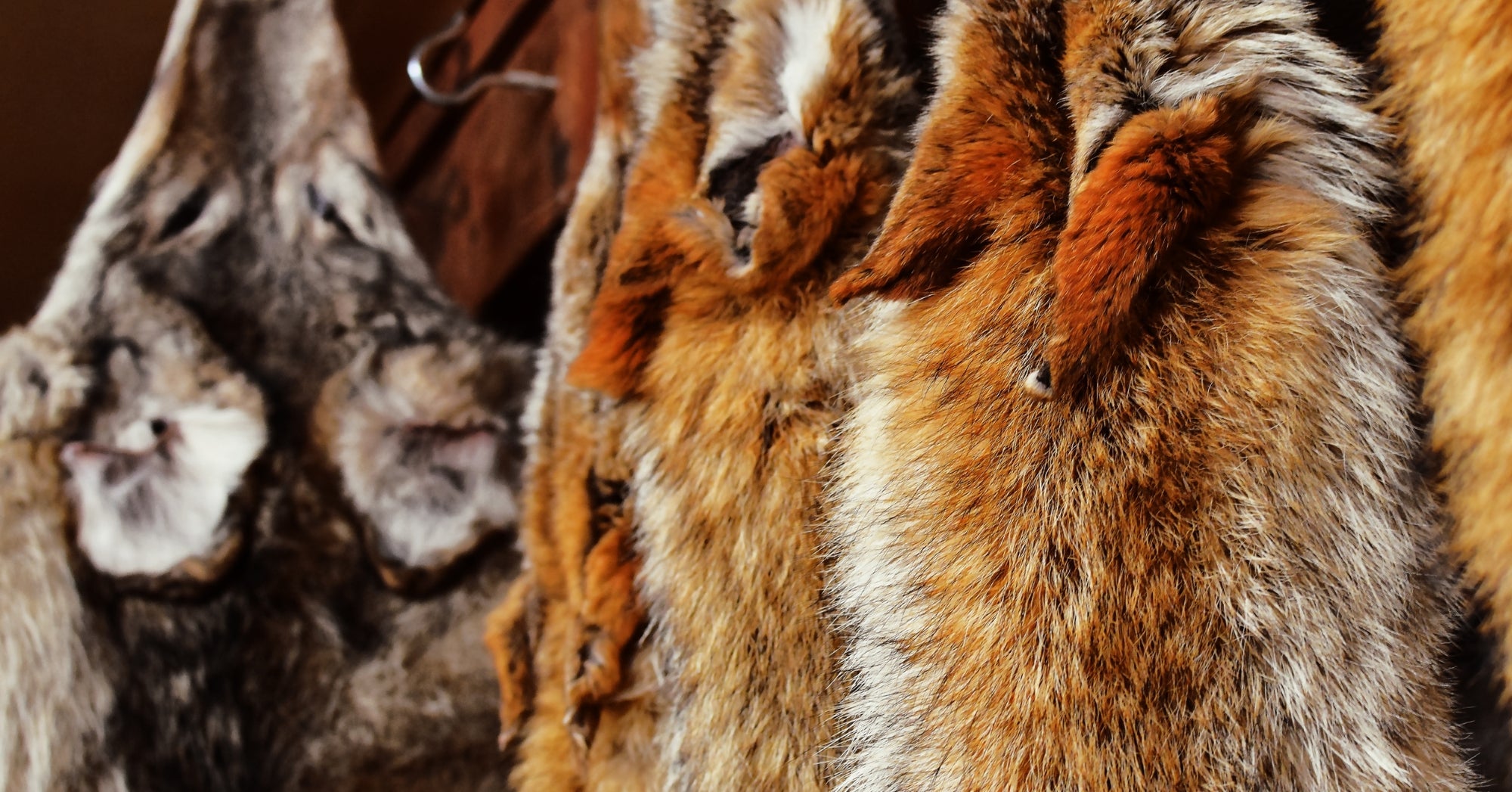
A century of shifting federal priorities transformed wolves from ‘public enemies’ into protected predators, and reshaped life on working lands.
Editor’s Note: This is the second in a three-part series exploring the impact that wolf reintroduction in the U.S. has had on livestock operations.
Humans and animal interactions have long been complex, and as development and commercialization has minimized encounters in urban and suburban parts of the United States, rural ranchers are bearing the brunt of evolving ecological policy. And though this issue goes back more than half a century, the toll to modern ranchers is accelerating.
In the 1960s, the Endangered Species Act sought to protect selected species from environmental harm, first from federally funded projects but later more broadly across corporate and residential America. One animal central to the ESA is the wolf. In the 21st century, wolves no longer exist solely on their own accord but as part of reintroduction and state management programs — usually in Western states, but also in other corners of the country, such as Wisconsin and North Carolina.
First listed on the ESA in 1978, the gray wolf was a native species of interest, nearly wiped out across the lower 48 states, surviving in meaningful numbers only in Minnesota.
In each ecosystem it inhabits, it is a top predator, influencing prey species such as elk, deer, and bison. Historically, these populations have always fluctuated based on hunting seasons and winter severity — ultimately finding ecological balance.
Their decline was the result of decades of federally supported predator-control campaigns, bounties, and removal programs designed to protect livestock and support a growing U.S. human population. This effort gained momentum in 1931, when Congress enacted the Animal Damage Control Act, providing authority for the secretary of agriculture to investigate the best methods of eradication, suppression, or control of animal injuries to agriculture, namely wolves. Budgets increased from decade to decade. From 1937 through 1970, the U.S. Biological Survey killed 1,574 Mexican wolves.
The Animal Damage Control Act of 1931 didn’t frame wolf control as coexistence or balance. Government documents from the U.S. Biological Survey (the predecessor to U.S. Department of Agriculture’s wildlife services) openly used language like “eradication” and “extermination.” Annual reports from the 1930s to 1950s describe wolves as “vermin” and “public enemies,” reinforcing that eradication was the objective.

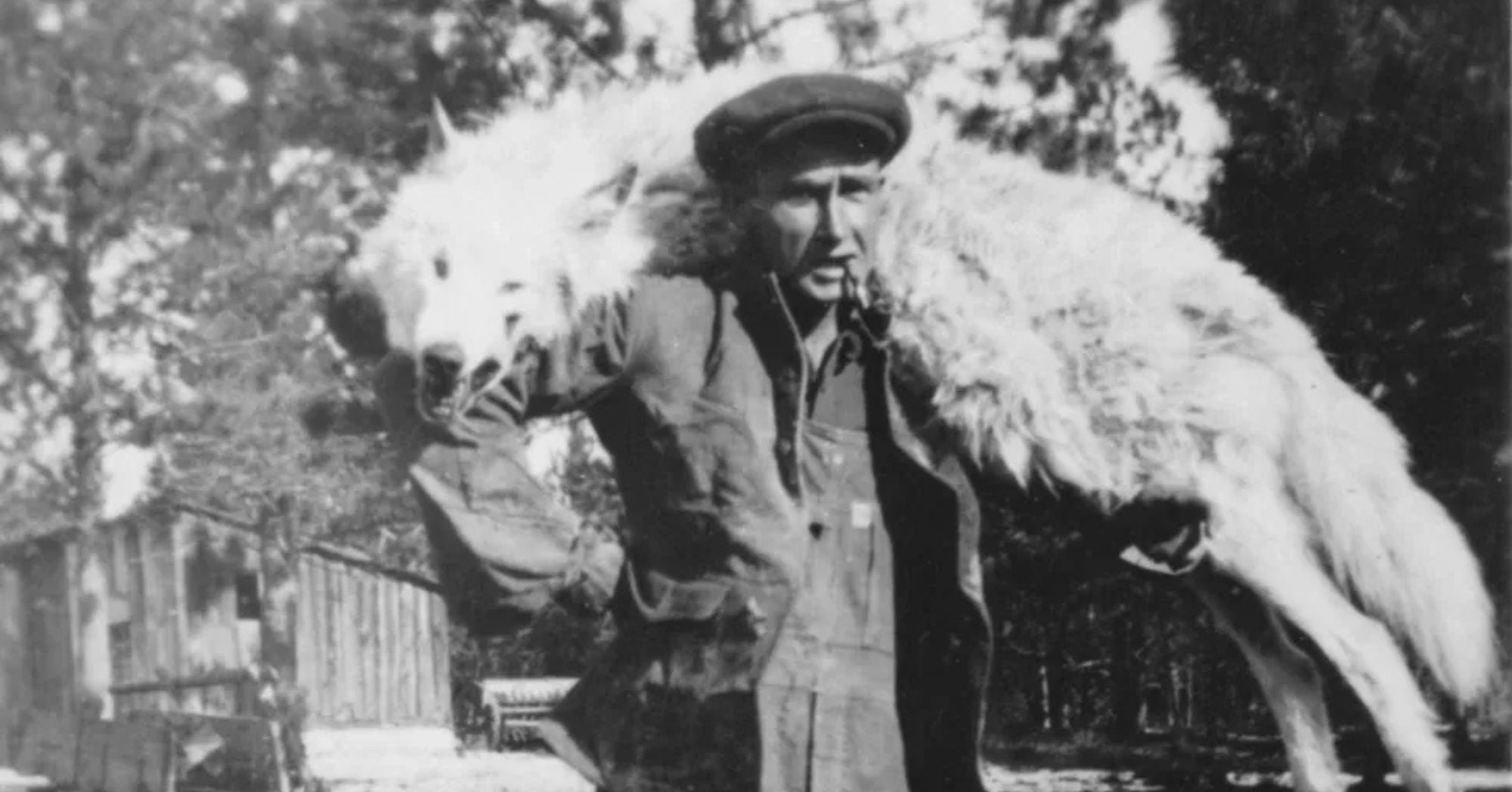
Internal Biological Survey summaries from the Southwest repeatedly noted that success would be measured by absence of wolves, not reduced conflict.
Many ranching families built their operations during this era of near-absence, shaping land-use practices, calving patterns, and grazing systems around a landscape where wolves were functionally gone.
Budgets for predator control grew steadily through the mid-20th century, even as wolf numbers collapsed; an indication that the program continued long after populations were already critically low.
The tide then began shifting in the early 1980s. Congress amended the ESA in 1982 to allow “experimental populations,” a mechanism intended to aid species recovery while giving agencies more flexibility in how reintroductions were managed.
That authority set the stage for the most ambitious carnivore restoration effort in U.S. history.
In 1995, when ESA wolf management plans developed, the government decided to repopulate the once-native North American species in Yellowstone National Park that was eradicated in the park in the 1920s. But this time, the land on which wolves once roamed had changed.
In 1995 and 1996, a total of 66 gray wolves were released into central Idaho and Yellowstone National Park. Three years later, in 1998, the Mexican gray wolf was returned to the wild through the Blue Range Wolf Recovery Area spanning eastern Arizona and western New Mexico.

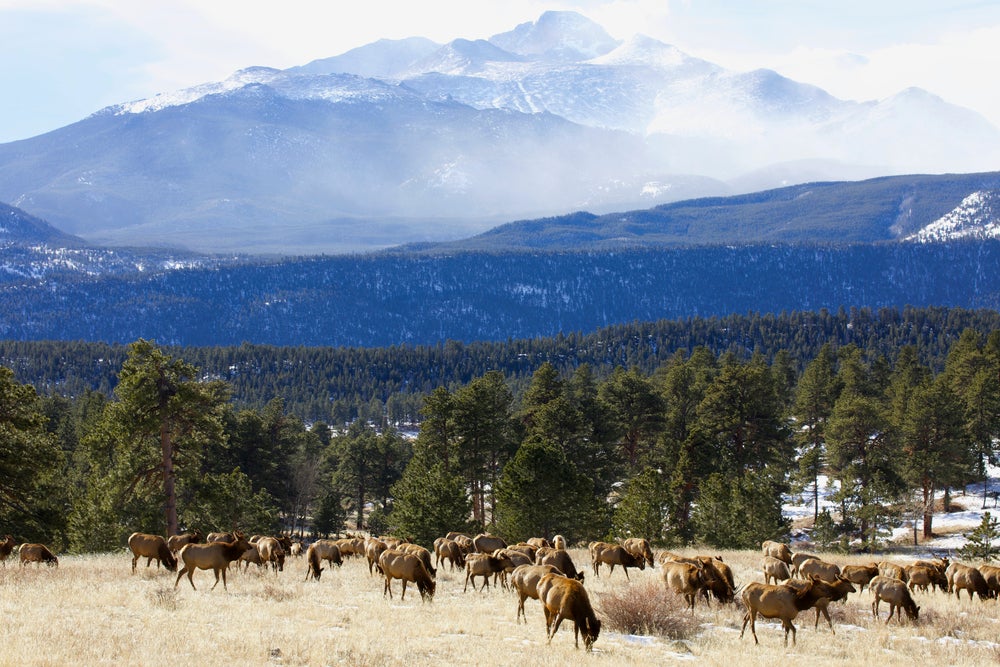
For decades, Western wildlife agencies have been responsible for managing wild ungulate numbers through controlled harvest, population objectives, and winter range monitoring.
States are legally required to keep elk populations at or near established objectives through hunting quotas and habitat management. Those systems fund themselves with nonresident elk hunters pumping tens of millions of dollars into states such as Montana and Idaho every fall, supporting guides, outfitters, hotels, restaurants, and conservation programs through license fees and Pittman-Robertson excise taxes.
But wolf advocates often frame predators as an ecological management tool that could reduce the need for human hunting. Some go further and argue that wolves restore ecosystems by pushing elk out of riparian areas, reducing browsing, and allowing willow and aspen to rebound, summed up in the term “trophic cascade.”
The science, however, is far more complicated.
Colorado State University’s Center for Human-Carnivore Coexistence, cautions against overstating the ecological promise of wolves. While studies, primarily in National Parks like Yellowstone, have suggested that wolves might reduce overbrowsing by elk and deer, other studies also tell us that the effects of wolves are complex, and wolves were not solely responsible for the types of ecosystem changes documented in Yellowstone over the past 20 years.
Outside of parks, those effects become even harder to see. Reintroduction of carnivores doesn’t always fully or quickly restore degraded ecosystems … and it’s unclear to what extent the impacts might translate to systems outside National Parks, including in Colorado.
Independent research supports her caution. Kauffman et al. (2010) found that Yellowstone’s aspen recovery was patchy, inconsistent, and heavily influenced by habitat conditions and hunting pressure, not just wolves. Wolf ecologist L. David Mech has warned the public and media against “sanctifying” wolves.
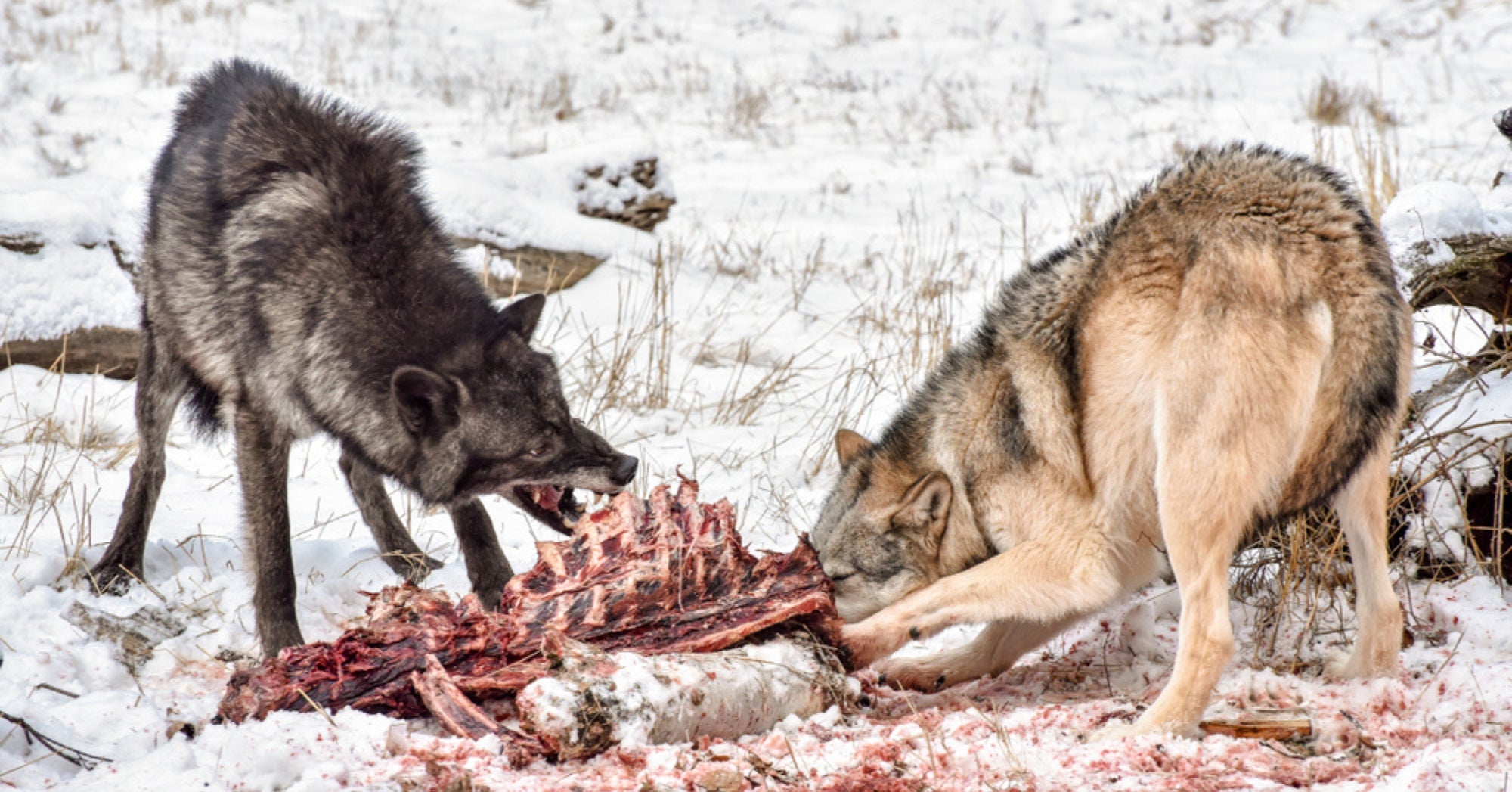
Being ‘endangered’
After decades of absence, wolves have reestablished a presence across portions of the lower 48, from the Upper Midwest and Northern Rockies to the Southwest and Southeast, though their numbers and management vary widely by region.
Most wolves live in the wild, often closely tracked in states where livestock depredation is high and untracked where populations are stable. Many states also maintain captive populations intended for growing genetic stock. New Mexico, for example, has 350 wolves in captivity through the Mexican Wolf Saving Animals From Extinction program, while North Carolina has 241 in captive breeding facilities.
When reintroduction started at Yellowstone National Park in 1995 with 14 wolves, the goal was to restore the keystone species and regulate the overabundant elk population that was degrading vegetation. Populations soon increased across 15 states west of the Mississippi River. By 2012, the Northern Rocky Mountain population had experienced a handful of ESA delistings — in Idaho, Wyoming, and Montana — a sign of stability.
Still, in 44 states, wolves are listed as endangered.
Having the “endangered” title gives wolves protections — for instance, it is illegal to hunt them, areas can be deemed critical habitat protection, the U.S. Fish and Wildlife Service must oversee recovery plans, any federal project must avoid jeopardizing the species, and individuals and groups can sue to enforce protections.
But the original reason for introduction has its flaws.
Rebecca Niemiec, Ph.D., director of the Animal-Human Policy Center at Colorado State University, said, “Although loss of predators can cause ecosystem-level impacts, reintroduction of carnivores, including wolves, doesn’t always fully or quickly restore degraded ecosystems. Also, it’s unclear to what extent the types of ecological impacts might translate to other systems outside of National Parks, including in Colorado.”
In a phone call with AGDAILY, she explained that science also shows that the impacts of wolves are complex, and wolves were not solely responsible for the types of ecosystem changes that have been documented in Yellowstone over the past 20 years.
For rural America and the ranching community, wildlife predators are estimated to cause more than $232 million in livestock losses annually, according to the U.S. Department of Agriculture’s Animal and Plant Health Inspection Service.
As ranching becomes dependent on an increasingly unstable beef market and grocery store meat prices, producers are also shouldering a burden that costs thousands of dollars per head, and losses that may or may not be fully reimbursed by state agencies.
What’s different now is that these kinds of costs used to feel more in the hands of Mother Nature instead of policymakers and activist groups. Today, ranchers feel more indiscriminately targeted by the decisions of lawmakers who have no interest or foundation in food production.

Especially since 2000, the regulatory process of delisting was consistently debated in court. At least 10 cases have been heard by federal courts over wolf listing, making wolves the most litigated species in ESA history.
The cases making it to court were less about wolves on the ground and more about whether they should be introduced or protected, and the damages their presence caused. In his first term, President Donald Trump attempted to fully delist wolves, but this was reversed by a court in 2022 during the Biden Administration.
ESA protections now apply to most populations except parts of the Northern Rockies. A bill passed by the U.S. House in December 2025 aims to change that. The Pet and Livestock Protection Act (H.R. 845) would remove gray wolves from the ESA nationally, requiring a reissue of the 2020 delisting rule.
Various organizations such as Earthjustice, the Western Environmental Law Center, the Natural Resources Defense Council, and Defenders of Wildlife have defended species protections.
In a 2022 case, the American Farm Bureau Federation, National Cattlemen’s Beef Association, Public Lands Council, American Sheep Industry Association, and American Forest Resources Council filed an amicus curiae brief — essentially an expert opinion on the topic of wolves for the court to consider.
When the court upheld ESA protections in the lower 48 for gray wolves, Kaitlynn Glover, executive director of the Public Lands Council, said, “ESA should not be used as a permanent management tool.”
She explained that livestock producers experience the daily consequences of gray wolf overpopulation.
In 2025, counties in New Mexico and California declared a state of emergency over wolf conflicts and public safety concerns. Meanwhile, many universities have sought to quantify the cost of depredation, both in physical losses and in animal health impacts that affect meat quality.
In California, UC Davis found wolves can reduce cattle growth and pregnancies, directly or indirectly causing up to $162,000 in added ranching costs. This was identified by elevated hair cortisol levels, indicating increased stress, in cattle living in regions with wolves.
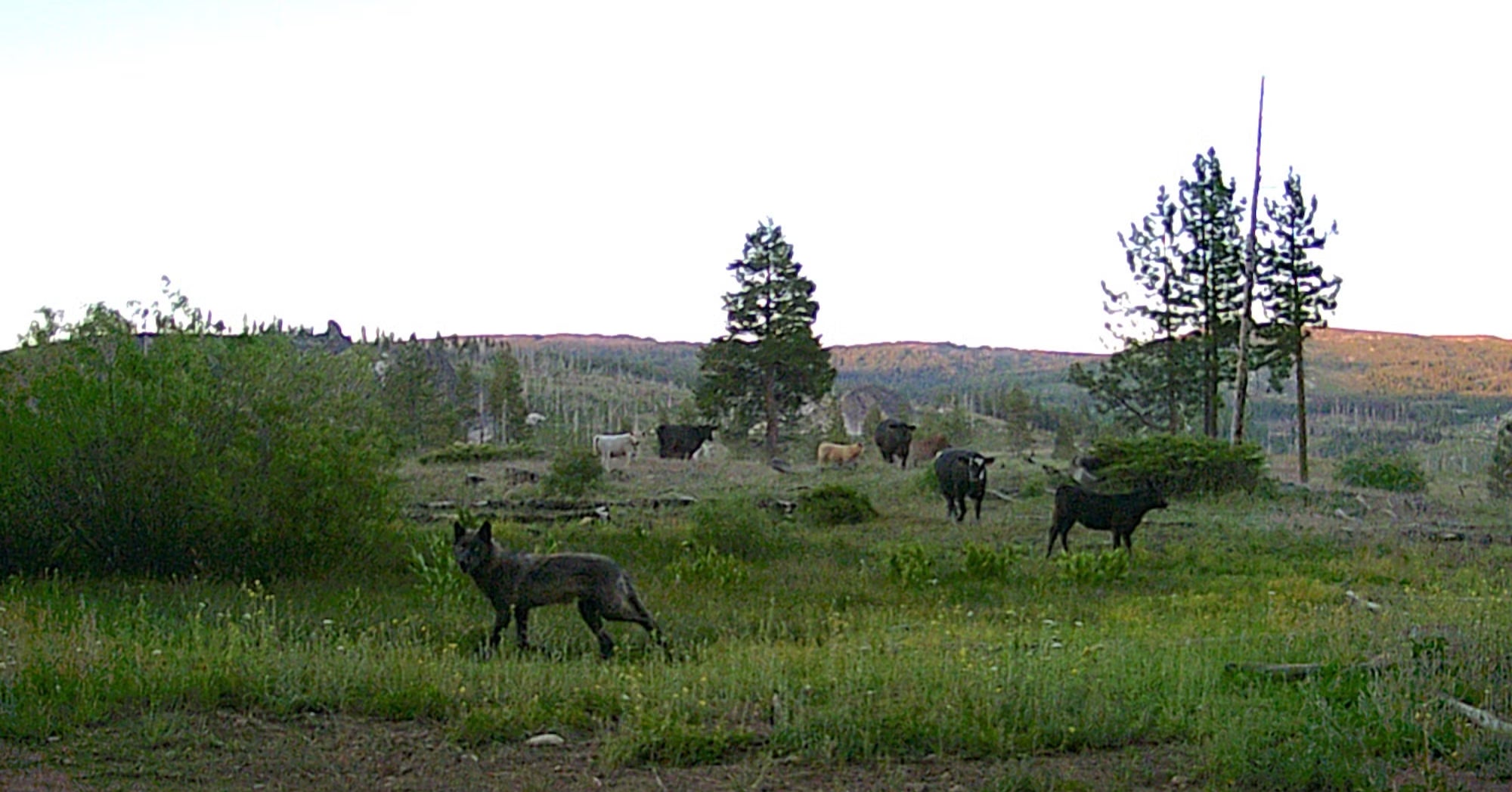
At the University of Arizona, researchers examined the effects of wolf presence on short-term ranch returns. They found that the loss of one cow has a multiyear impact equal to the loss of two unborn calves. In addition to direct depredation, reduced weight gain also led to lower sales weights. Producers overwhelmingly agreed with the statement that “the health of their ranching operation is tied to the health of the ecosystem,” though views were mixed on whether predators are part of a healthy ecosystem.
Studies like this remain relevant as wolf populations increase, cattle prices and input costs change, and agency programs for depredation compensation evolve.
The federal government, primarily through the U.S. Fish and Wildlife Service, manages the Endangered Species List and oversees national parks and federally owned public lands. As recently as 2023, 72,950 technical assistance projects were completed to reduce wildlife damage to properties, with $4.5 million in congressional funding for nonlethal strategies.
When listed under the ESA, the federal government is ultimately in charge, but states control compensation programs and anti-lethal deterrents. States, however, can further legislative wolves in their level.
So, the financial stresses felt by ranchers are also being felt in state budgets. More than half of the $582,000 paid to Colorado producers by the Colorado Parks and Wildlife in 2024 was for lower market weights and conception rates due to stressed livestock. Only 10 percent was spent on confirmed wolf kills.
Colorado still unprepared
If any state could be considered being at the heart of this situation, it’s Colorado. There, producers think officials rushed to meet an arbitrary December 31, 2023, deadline to release wolves, even though, by nearly every benchmark, they weren’t ready. That date, included in the Proposition 114 ballot language, only required them to begin planning and have a management plan in place, not to actually release wolves, said Bonnie Brown-Eddy, executive director of the Colorado Wool Growers Association.
“It didn’t mean they had to have paws on the ground by then, but they started dumping wolves before being prepared,” she said. “Everybody [was] just scrambling.”
Brown-Eddy expressed appreciation for Colorado Parks and Wildlife staff, acknowledging they were doing their best under difficult circumstances, as wolf reintroduction was mandated by a ballot initiative, not the agency itself.
But, political tensions have complicated the process.
“There are just a lot of missing components and things that aren’t working on the ground,” Brown-Eddy said.
That sense of being pushed faster than the system can handle has now spilled into interstate politics. In late November, the Mesa County Board of Commissioners ratified a joint letter from counties, livestock organizations, producers, and local governments to the Washington Fish and Wildlife Commission, urging it to reconsider sending donor wolves to Colorado for future releases.
The letter warns that Washington’s own wolf population has shown recent declines — a 9 percent to 16 percent drop overall and a 25 percent decline in breeding pairs — while Colorado’s reintroduction is facing its own troubling indicators: survival rates dipping below 67 percent (under the 70 percent threshold for the Colorado Wolf Restoration Plan), expanding depredations, and mounting land-use conflicts.
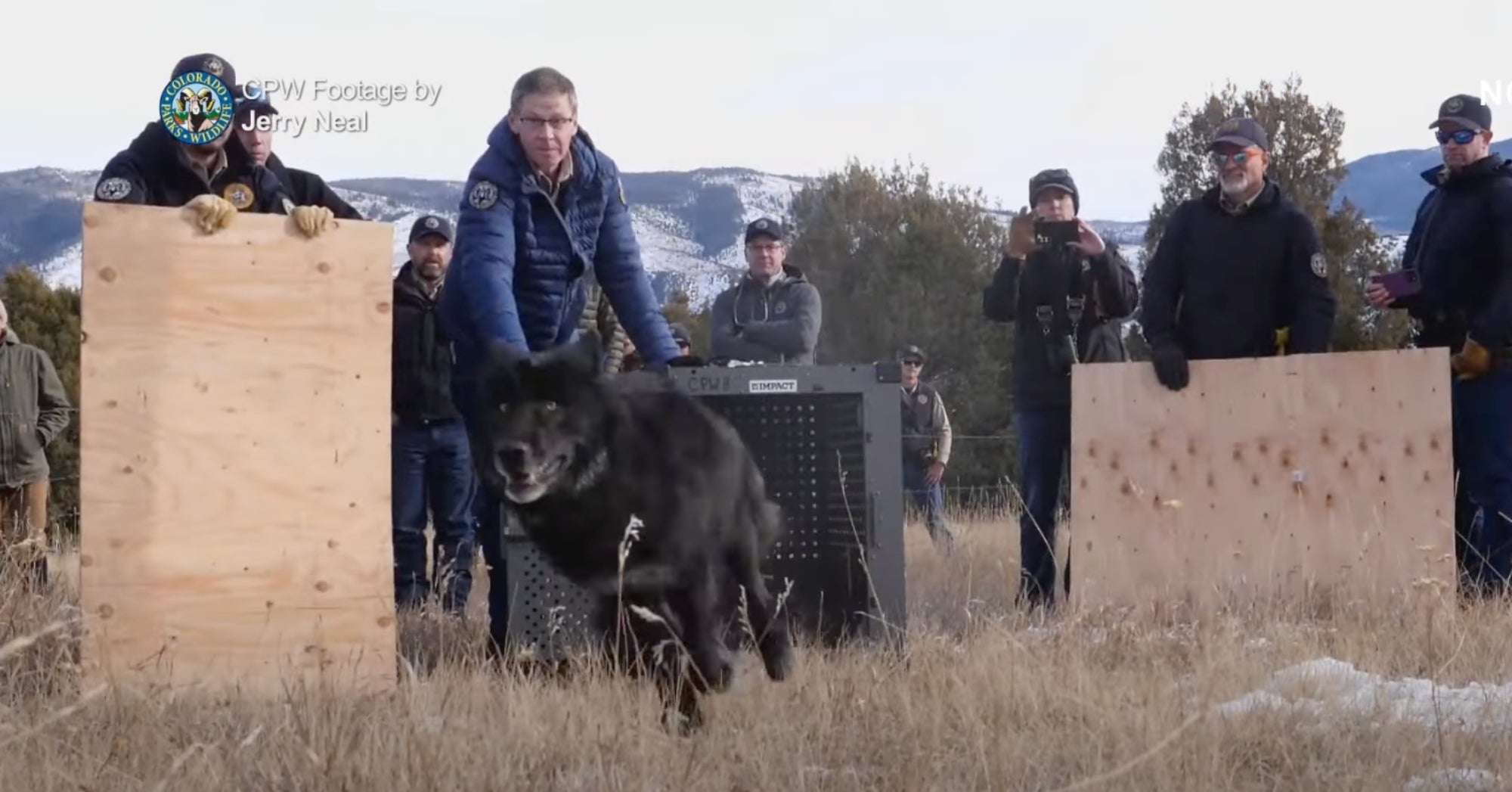
Ranchers often spot wolves before CPW can notify them, so a rancher-to-rancher communication network is being built to share information quickly and support CPW efforts, though stakeholders note that many steps should have been in place before the wolves were released.
“We’re now really establishing a rancher-to-rancher network that we can quickly distribute information to,” explains Brown-Eddy.
Ranchers of all sizes find themselves asking how many wolves is enough.
Meanwhile, state management plans are ongoing — tracking pack movements, implementing nonlethal methods, and in some states, authorizing lethal removal after a certain number of confirmed depredations. What these plans lack is a set number at which state agencies and wildlife advocates consider the population sufficient.
There is no cap on wolf population growth, reintroduction, or the number of depredations allowed.
Heidi Crnkovic, is the Associate Editor for AGDAILY. She is a New Mexico native with deep-seated roots in the Southwest and a passion for all things agriculture.
Jake Zajkowski is a freelance agriculture journalist covering farm policy, global food systems and the rural Midwest. Raised on vegetable farms in northern Ohio, he now studies at Cornell University.