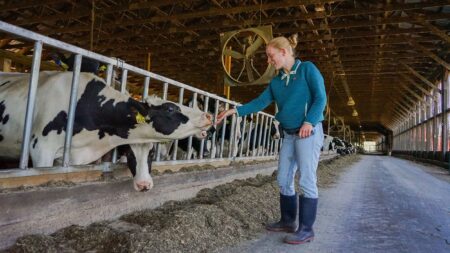







Children who grow up in farming communities have long been known to develop far fewer allergies than their urban peers. A new study from the University of Rochester Medical Center, offers one possible reason why: Their immune systems may mature faster, and breast milk appears to play an important supporting role.
In a longitudinal birth cohort comparing infants from Old Order Mennonite farming families in New York’s Finger Lakes region with urban and suburban families in Rochester, researchers found that farm-exposed babies had more “experienced” B cells and higher levels of protective antibodies during the first year of life. The study, published in Science Translational Medicine, was led by Kirsi Järvinen-Seppo, MD, PhD, chief of Pediatric Allergy and Immunology at UR Medicine’s Golisano Children’s Hospital.
“We’ve known that Old Order Mennonite children are remarkably protected from allergies,” said Järvinen-Seppo. “What this study shows is that their B cell and antibody responses are essentially ahead of schedule compared to urban infants. Their immune systems seem better equipped, earlier in life, to handle foods and other exposures without overreacting.”


Earlier maturation of antibody production
The team followed mothers and babies from pregnancy through the first year of life, collecting cord blood, infant blood, stool, saliva, and human milk samples. While a prior paper from the same NIH-funded cohort focused on T cells, this study examined the B cell arm of immunity—the cells that produce antibodies which can protect against allergies — and how those responses differ between farming and urban lifestyles.
Farm-exposed infants had more memory and IgG+ B cells, suggesting earlier maturation of the antibody-producing system. They also had higher levels of IgG and IgA antibodies in blood, saliva, and stool, and higher IgA levels in human milk from their mothers. Taken together, the data point to a more robust and active antibody system in infants growing up in a traditional farming lifestyle.
One notable finding involved egg-specific antibodies and the development of egg allergy, one of the most common food allergies in young children. The researchers measured egg-targeting IgG4 and IgA antibodies in infant blood and human milk, and tracked which infants later developed egg allergy.
They found that OOM infants had higher levels of egg-specific IgG4 in their blood, and OOM mothers had higher levels of egg-specific IgA in their breast milk. Among urban infants, higher levels of these antibodies were associated with protection against egg allergy. When families were divided into three groups — Old Order Mennonites, Rochester families whose infants did not develop egg allergy, and Rochester families whose infants did—the researchers saw a clear gradient: the highest antibody levels in Mennonite breast milk, the lowest in Rochester mothers of infants with egg allergy, and intermediate levels in Rochester mothers of non-allergic infants.
“We saw a continuum: the more egg-specific antibodies in breast milk, the less likely babies were to develop egg allergy,” Järvinen-Seppo said. “We cannot prove causality from this study, but the association is compelling.”


Not all breastmilk is equal
Breastfeeding has long been associated with protection against atopic dermatitis and wheezing illnesses in infancy, but evidence that it prevents food allergy has been less consistent. Järvinen-Seppo believes this may be because not all breast milk is the same. “Our data suggest there may be particular benefit when mothers have high levels of food-specific antibodies in their milk,” she said. “Not every mother does, and that could help explain why results have been mixed on the association between breast feeding and food allergy.”
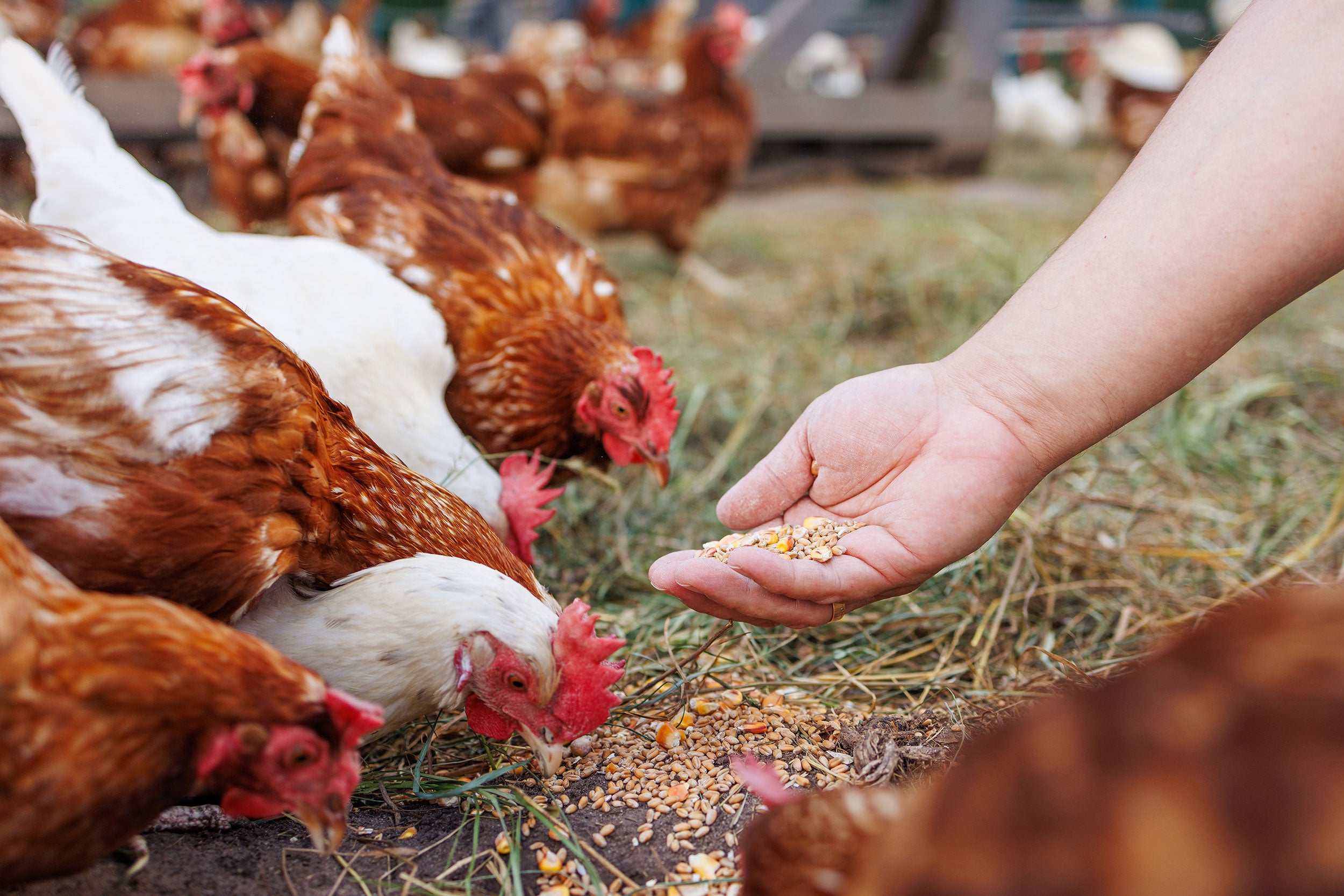
Why do Mennonite mothers have more egg-specific antibodies? One likely factor is diet. Old Order Mennonite families typically raise their own chickens and eat eggs frequently. That repeated exposure appears to boost mothers’ antibody levels against egg proteins, which then show up both in the bloodstream and in breast milk. “Just as an infection or a vaccine can boost your antibody levels, regularly eating certain foods could do the same,” Järvinen-Seppo said. “Mennonite mothers eat more eggs, and that may help them pass more egg-specific antibodies to their babies through breast milk.”
The study also found differences in antibodies to other environmental allergens at birth. OOM infants were born with higher cord blood levels of IgG and IgG4 antibodies to dust mites and horse, reflecting their mothers’ exposures, while urban infants had higher antibodies to peanut and cat. The team detected several food antigens in cord blood, and even antigen-specific IgA at birth, suggesting that in-utero exposure to food proteins may also shape early immunity.

‘Farm effect’ on the developing immune system
While maternal diet and breast milk antibodies are central to the new paper, Järvinen-Seppo emphasizes that the “farm effect” is almost certainly multifactorial. Old Order Mennonite families differ from urban families in many ways that may influence the immune system, including daily exposure to farm animals and environmental microbes, use of well water, lower use of certain antibiotics, longer and more frequent breastfeeding, and distinct gut microbiome patterns documented in earlier work.
The Mennonite cohort has also helped the team design next-step prevention strategies. URMC is now leading a randomized clinical trial that will enroll pregnant women and follow them through early lactation. Participants are assigned either to regularly eat egg and peanut during late pregnancy and early breastfeeding, or to avoid them, and the study will track mothers’ antibody levels and the development of food allergy in their infants.
“We already know that introducing peanut and egg directly to babies early in life can lower allergy risk,” Järvinen-Seppo said. “Now we’re asking whether mothers’ diets during pregnancy and breastfeeding can add another layer of protection through the antibodies they pass to their babies. Ultimately, our goal is to translate what we learn from these communities into safe, practical strategies for all families.”