



A new facility in Turlock, California, is expanding access to dairy-derived biomethane across the region and aims to build upon previous efforts to increase opportunities for dairy families to participate in the clean‑energy economy.
The new Central Valley renewable natural gas (RNG) facility — created through a partnership between Maas Energy Works and Pacific Gas and Electric Co. — demonstrates an evolution in biomethane and RNG technology. It uniquely gathers RNG in two ways:
- Injecting RNG produced onsite from livestock waste that is converted to biomethane and ultimately clean, pipeline-grade renewable natural gas;
- Receiving RNG that is trucked in from offsite production facilities. This “virtual pipeline” approach enables additional dairies to participate even when direct pipeline access is not available, increasing overall system efficiency and supply potential.
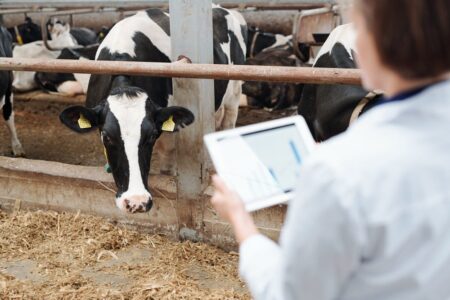
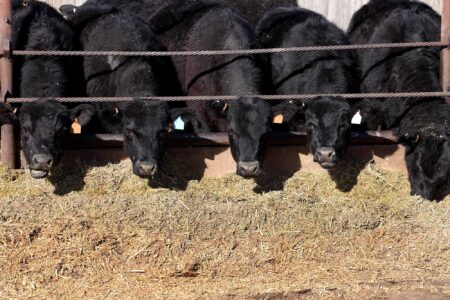
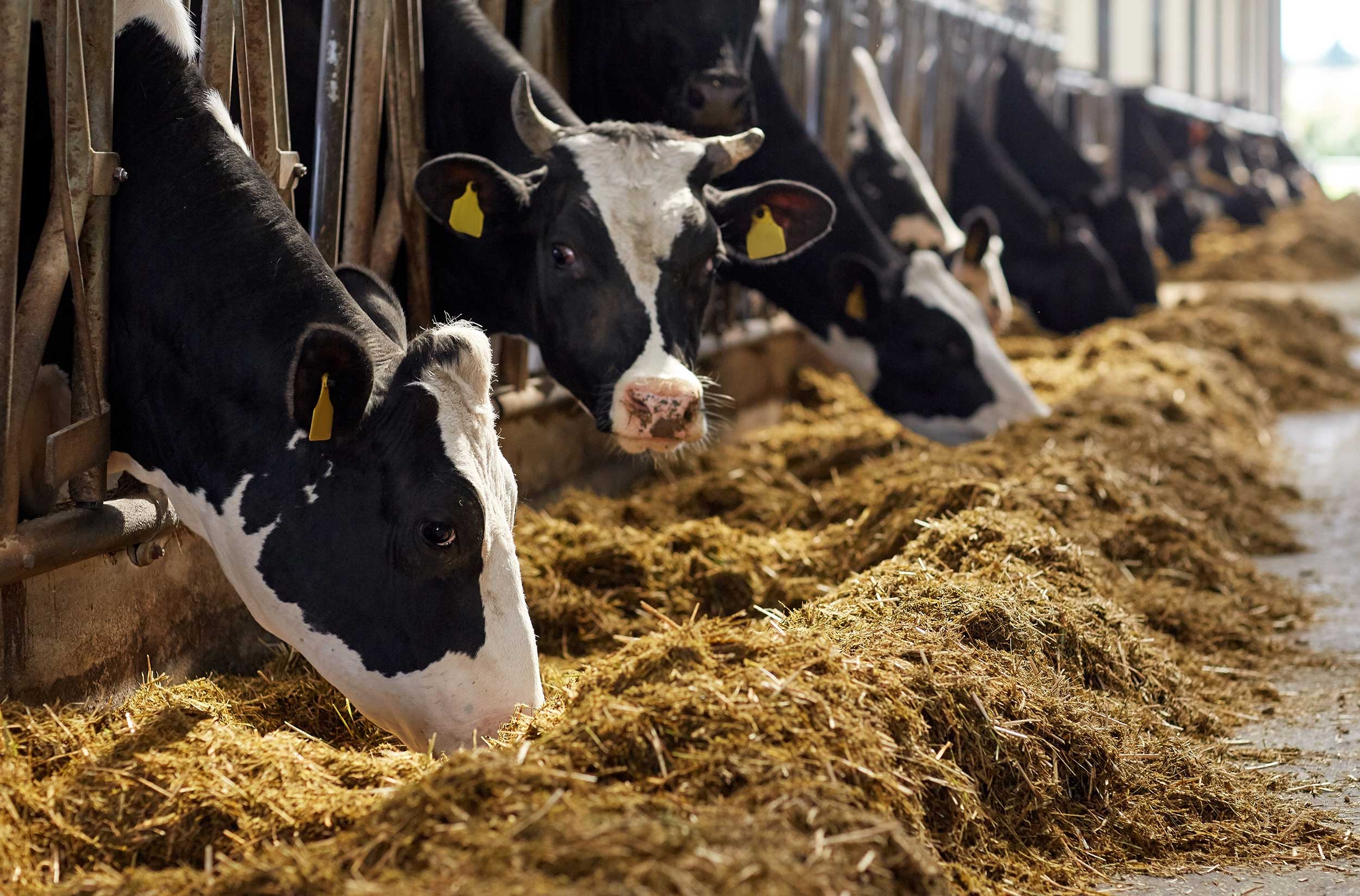
The facility is located at Couco Creek Dairy, a large-scale operation with 3,300 milking cows, 500 dry stock cows, and 3,800 heifers.
By capturing methane that would otherwise be released into the atmosphere and upgrading it into pipeline‑quality fuel, dairy-based RNG provides measurable climate benefits, while supporting local agricultural economies, Pacific Gas and Electric said in a news release.
“This hub represents the next phase of innovation in California’s dairy RNG sector — flexible infrastructure that helps family farms participate in the clean‑energy economy,” said Daryl Maas, founder and CEO of Maas Energy Works. “Couco Creek shows that if we design systems that work for both onsite production and trucked delivery, we unlock more opportunities for dairies and more progress toward the state’s clean-fuel priorities.”

This is PG&E’s eighth RNG interconnection with an additional seven scheduled by the end of 2027. Since launching its first interconnection site in 2021, PG&E has expanded its RNG footprint across more than 50 dairies, one landfill, and one food waste facility, which are currently delivering pipeline quality biomethane through eight existing interconnections. New biogas sources include waste-water treatment plants, woody biomass, and agricultural waste.