






A California-based energy technology company is rolling out a new system designed to help farms earn revenue by adjusting when they use electricity, particularly during peak demand periods when the grid is under strain.
Yield Energy, formerly known as Polaris Energy Services, launched its agriculture-focused distributed energy resource management system, or DERMS, which connects on-farm equipment such as irrigation pumps to utility demand response and load-shifting programs.
The platform is already managing more than 200 megawatts of agricultural electricity use, according to the company, including over 100 megawatts enrolled in the Pacific Gas and Electric Company’s agriculture-specific Hourly Flex Pricing pilot in California.
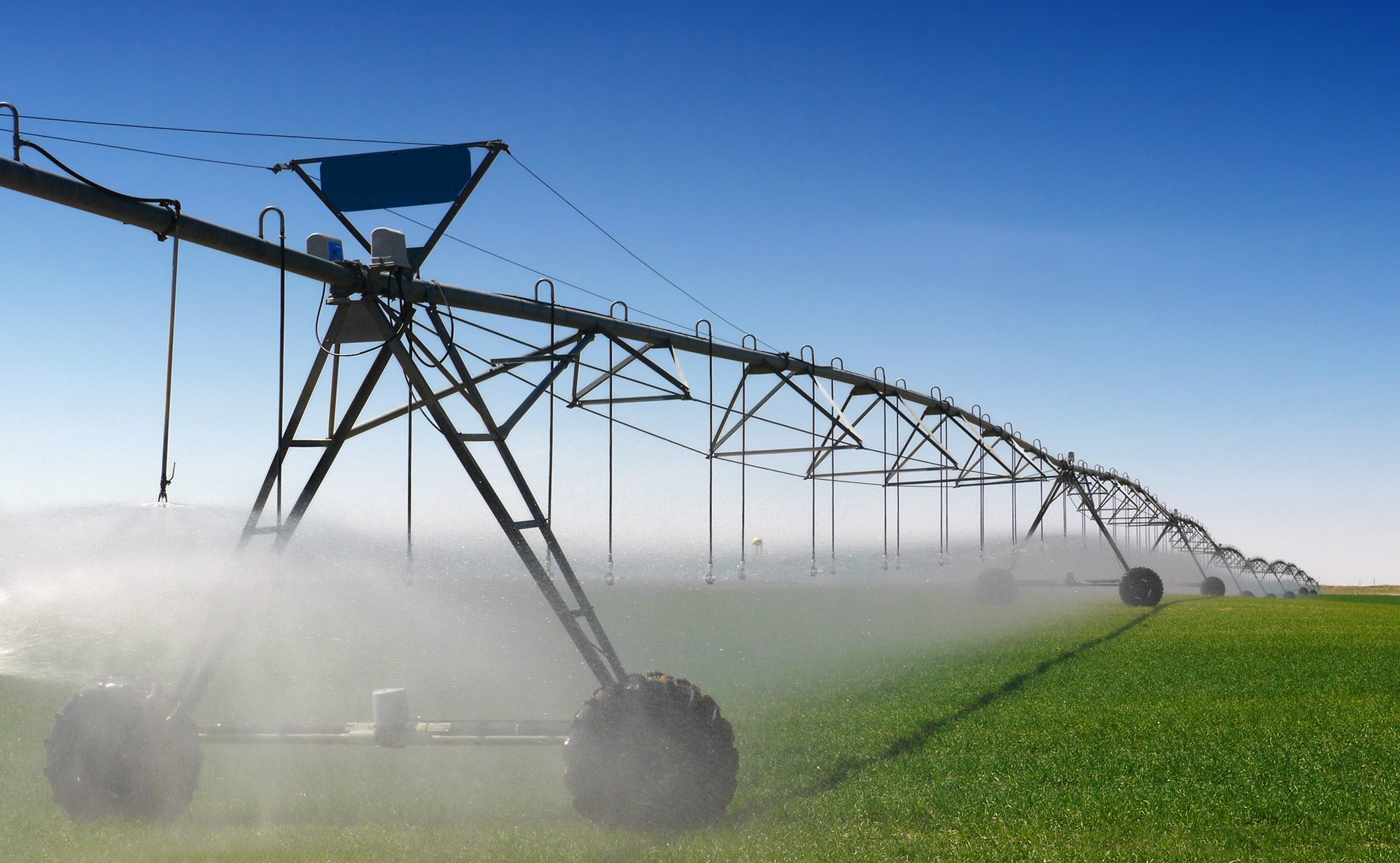
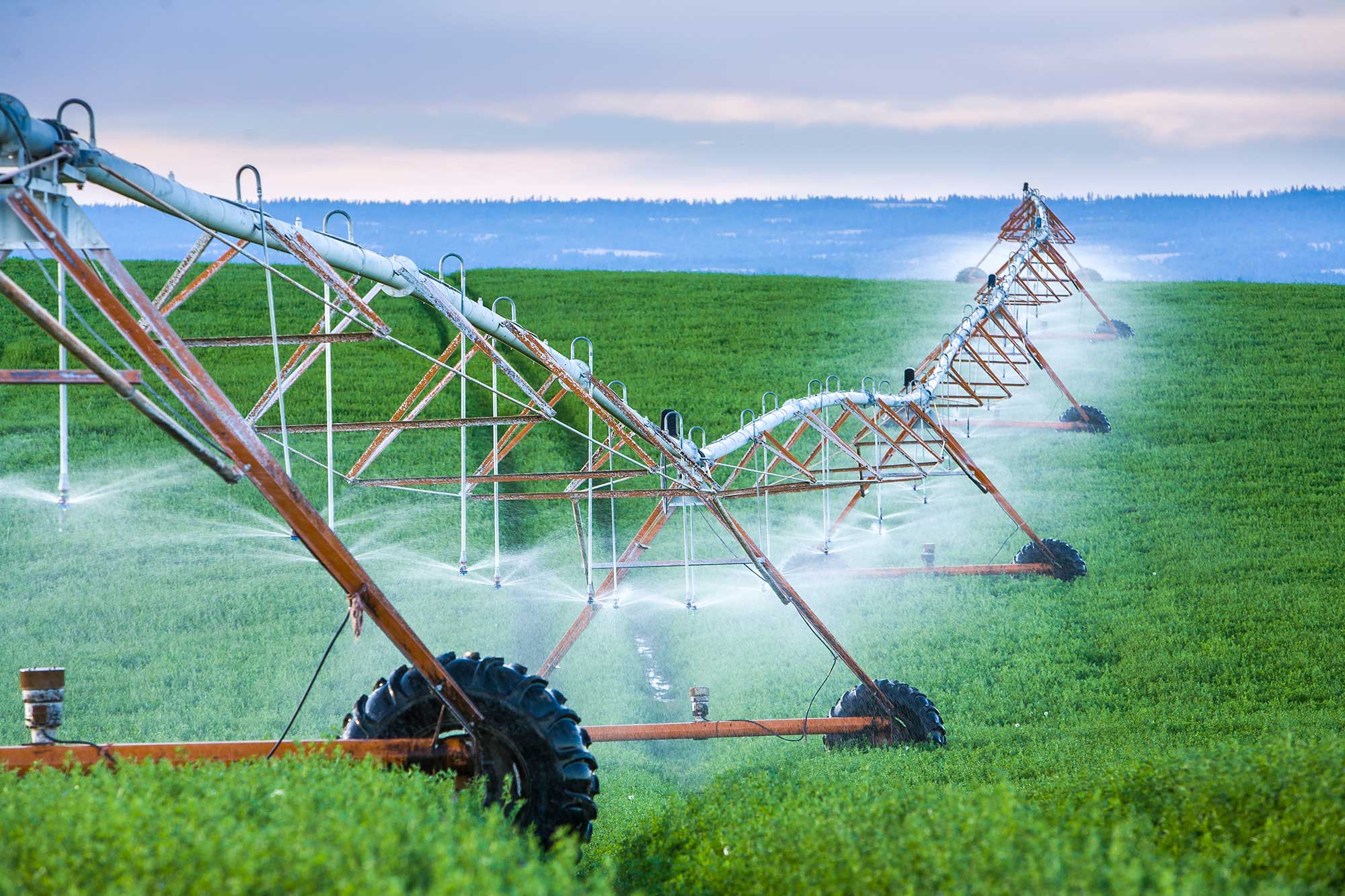
The system works by coordinating energy-intensive farm operations — primarily irrigation — to reduce or shift electricity use during peak hours, when power is most expensive and grid reliability is most challenged. In return, participating growers receive compensation from utilities, without changing crop management practices.

According to Yield Energy, the platform has been supported by nearly $3 million in funding from the California Energy Commission and tested through state-backed pilot programs. The company says those projects demonstrated that agricultural operations can provide consistent and automated demand response at a scale utilities can rely on.
While irrigation pumps are the primary focus, Yield Energy says the platform is expanding to include cold storage, electric vehicle chargers, on-farm batteries, solar systems, and other energy assets commonly found on farms.
Tyler Nuss, CEO of Yield Energy, said agriculture has long had the potential to support grid reliability but lacked the technical infrastructure to do so at scale.
“We’ve proven that on-farm operations can deliver reliable, grid-ready flexibility without disrupting how farmers operate,” Nuss said.
Yield Energy integrates with several existing farm automation and irrigation technology providers, including WiseConn, Farmblox, LUMO, Ranch Systems, Swan Systems, Netafim, and Verdi. Through those integrations, equipment can automatically respond to utility signals during demand response events.
In California pilot programs, the company reports that enrolled devices consistently met demand response requirements and were able to shift a significant portion of electrical load away from peak periods. Average grower revenue varied by operation, utility program, and participation level.
Utility interest in agricultural demand response has grown as grid operators look for alternatives to costly infrastructure upgrades and large-scale battery storage. Agriculture’s ability to shift energy use — particularly irrigation — offers a flexible option that can be deployed quickly and locally.
Yield Energy says participation is currently limited to specific utility programs and regions, with California serving as the primary market. Expansion into additional states will depend on utility program availability and regulatory frameworks.