







Before beginning his tenure as secretary of the U.S. Department of Health and Human Services, Robert F. Kennedy Jr. posted an old picture of his father, Bobby Kennedy, and another man at a drive-in fast food restaurant on the social media platform X. RFK Jr. took the family photograph as an opportunity to rail against plant-based seed oils, cooking oils extracted from seeds like sunflowers, soybean, and corn. He wrote in the caption that they “are one of the driving causes of the obesity epidemic” and that Americans are being “unknowingly poisoned” by them.
His view represents a small, but vocal minority: While around half of Americans have a positive view of seed oils, a small subset, around 9 percent, share RFK Jr.’s view that seed oils are harmful to consume and 11 percent believe they increase the risk of developing chronic conditions, according to a 2025 survey conducted by Purdue University’s Center for Food Demand Analysis and Sustainability.
Eight seed oils — canola, corn, cottonseed, grapeseed, rice bran, soy, sunflower, and safflower — have even been termed the ‘Hateful Eight’ by critics, who believe they cause inflammation and contribute to a higher risk of health conditions like heart disease. In the most recent dietary guidelines published Wednesday, HHS recommended olive oil, along with butter and tallow, as options for cooking with or adding fats to meals. “We are ending the war on saturated fats,” RFK Jr. said in a press briefing about the guidelines.


While those who rally against seed oils have found support in some individual studies, nutrition researchers say the overall evidence doesn’t support these fears. As for how seed oils got such as bad rap, food nutrition experts are unsure if there was one single instigating factor. Rather, they point to many possibilities, among them, the surge of the Paleo diet in the 2010s, some decades-old data, and the spread of misinformation driven by social media.
Still, some researchers are mystified by how seed oils became so villainized in favor of animal products, considering the scientific evidence points to a more nuanced picture. “I’m not aware of any study that shows that there’s a benefit of substituting soybean oil with something like beef tallow or lard or butter,” said Alice Lichtenstein, a professor of nutrition science and policy at Tufts University.
“It is really quite puzzling,” she added.
A little more than two decades ago, the Paleo diet, which emphasizes whole, unprocessed foods like lean meats, fruits, and vegetables, and avoiding grains and processed oils, became trendy. (The diet supposedly mimics that of human Paleolithic ancestors, though experts have noted it’s not an accurate representation.)
Jessica Knurick, a nutrition scientist and registered dietitian, points to this moment as the possible beginning of the anti-seed oil movement and even the prominence of the term “seed oils” since nutritionists tend to simply call them vegetable oils. “I think that’s probably where it got started, but it’s certainly evolved a lot since then,” Knurick said.

Part of the backlash stems from the fact that, while percentages vary among different seed oils, these products tend to have a higher ratio of omega-6 fatty acids relative to omega-3s. Because an omega-6 called linoleic acid can break down into arachidonic acid, a building block for inflammatory compounds, some critics argue that seed oils increase inflammation in the body. Yet consuming more linoleic acid doesn’t appear to have this effect. “Within the context of even extreme diet that we as humans consume, there is no evidence that we’re setting up a pro inflammatory environment,” said Lichtenstein. Other scientists have pointed out that the picture is complicated; arachidonic acid, for example, is also known to have anti-inflammatory effects.
The anti-seed oil movement found supporting evidence in the form of two papers that came out in 2013 and 2016, respectively. Both were led by Christopher Ramsden, a researcher at the National Institutes of Health, and reevaluated data collected in the 1960s and ‘70s that looked at the effects replacing saturated fats with linoleic acid. The 2016 analysis concluded that participants who replaced saturated fats with linoleic acid had lower cholesterol, but not lower levels of mortality. In fact, the study found, the lower cholesterol, the higher the risk of death. The 2013 work also found that replacing saturated fats with linoleic acid resulted in increased risk of death.
Some researchers are mystified by how seed oils became so villainized in favor of animal products, considering the scientific evidence points to a more nuanced picture.
But the underlying data are now more than 50 years old, and the studies contained many factors that potentially muddied the results, said Knurick. “To continuously cite those studies and then forget the last 50 years of research,” Knurick said, “that’s the definition of cherry-picking research.”
One of the main concerns was that the studies failed to distinguish between polyunsaturated fats and trans fats, which are known to increase risk of heart diseases. Researchers did not know the exact composition of fatty acids in the margarines used in these trials making it difficult to attribute outcomes to linoleic acid, or seed oils more generally, alone. (Undark reached out Ramsden for comment but did not receive a reply. A co-author of his was also not available for comment.)
Despite these findings, other research has found that people with high levels of linoleic acid did not have these detrimental consequences. In fact, the amount of robust research in support of seed oils has led to a scientific consensus that seed oils could actually be beneficial if used in the right way, said Penny Kris-Etherton, a registered dietitian and emeritus professor of nutritional sciences at Penn State University. Christopher Gardner, a nutrition researcher at Stanford University, agreed that the way seed oils are used is an important factor: “[W]hen used in salads as salad dressings, and in small amounts to sautee vegetables, instead of butter, lard and beef tallow, there is scientific consensus that these are beneficial,” he wrote via email.

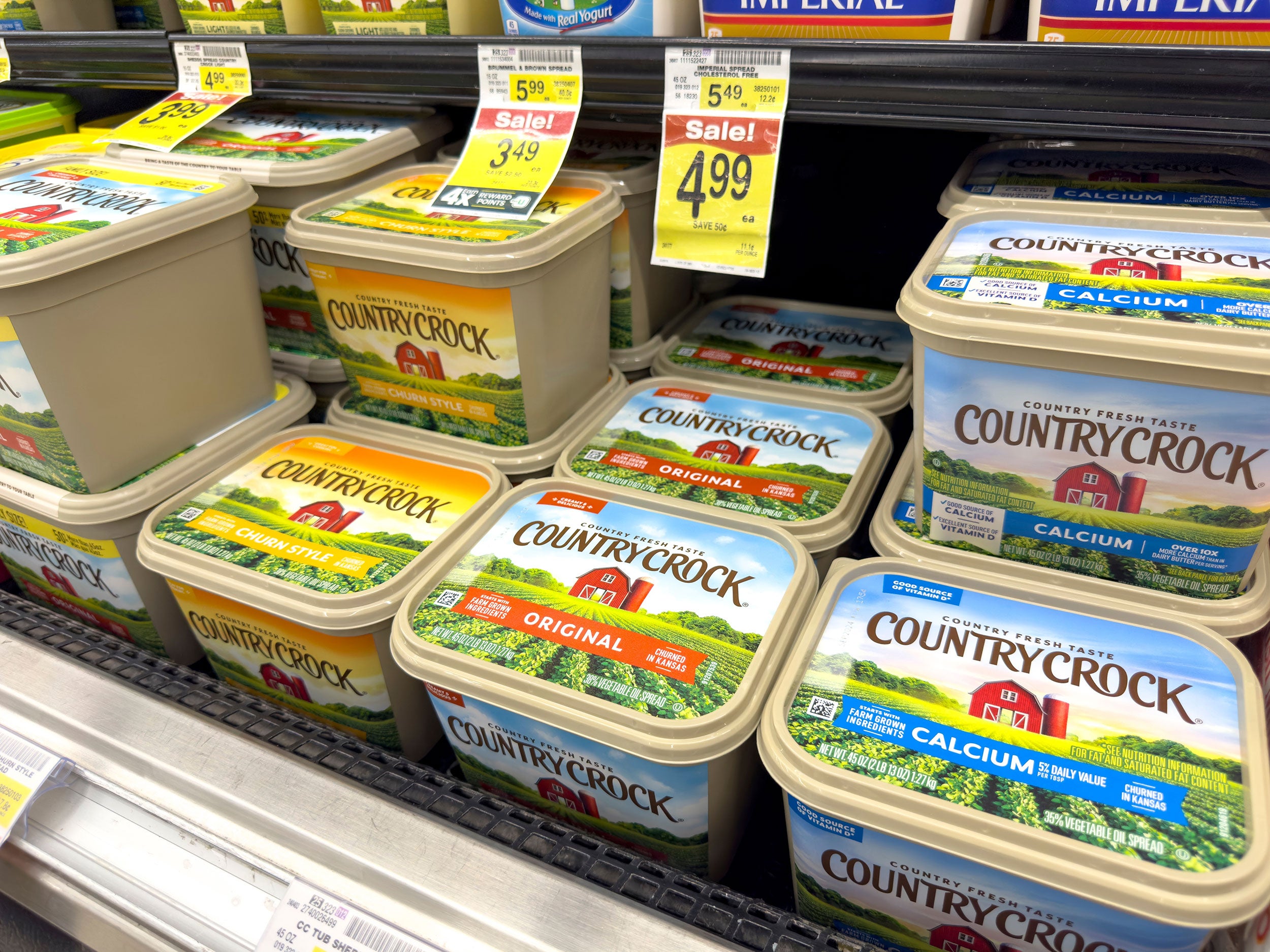
The American Heart Association and the former Dietary Guidelines for Americans recommend using oils higher in mono and polyunsaturated fats like seed oils over saturated fats like butter. Unsaturated fats, like those found in seed oils, have been found to consistently reduce levels of cholesterol, correlate with decreased inflammation, and replacing saturated fats with unsaturated fats decreases coronary heart disease events.
Complicating the issue, though, is that some studies are funded by industry associations or companies that manufacture or use seed oils — including some that show that linoleic acid is beneficial for preventing type 2 diabetes and support the consumption of unsaturated fats over saturated ones. When asked about her work, Kris-Etherton said she has conducted research supported by the seed oil industry. Lichtenstein noted that, in the 1990s, she co-authored a study on rice bran oil that was funded in part by a rice manufacturer.
Gardner, who said a portion of his human nutrition intervention studies were backed by food industry funding, noted in an email that “You should ALWAYS be extra cautious when considering research that was funded by a group with a vested interest in the outcome of the findings,” though he added: “That doesn’t mean you should always discount studies with conflicts of interest. Out of the seven human nutrition intervention studies he’s conducted that were funded by industry, Gardner pointed out, six had null findings, meaning “no benefits from the products or foods being tested.” All those studies still published, he said.
He added that while more NIH funding would be welcome, when federal support “isn’t available, it then becomes more necessary to accept non-federal funding, which sometimes is industry funding.”
Despite the scientific consensus, health and wellness influencers on the internet and social media have continued to villainize seed oils, saying that they are inflammatory and toxic. “You see people all the time just calling them toxic, saying they’re the literal reason that we’re sick,” said Knurick. “They just are very much the scapegoat for America’s health problems right now.”
“You should ALWAYS be extra cautious when considering research that was funded by a group with a vested interest in the outcome of the findings.”
Now the anti-seed oil movement has been bolstered by RFK Jr. and his Make America Healthy Again effort. As the top administrator of the country’s health system, he has supported a Louisiana mandate that would require restaurants to include disclaimers for canola, soybean, corn, sunflower, or other seed oils.
To RFK’s point about seed oils and obesity, Gardner said that while there’s evidence of an association with ultra-processed foods and that seed oils are often included as ingredients, these foods are typically “high in added sugars and sodium, and low in overall nutrients,” making it difficult to single out seed oils as the culprit.

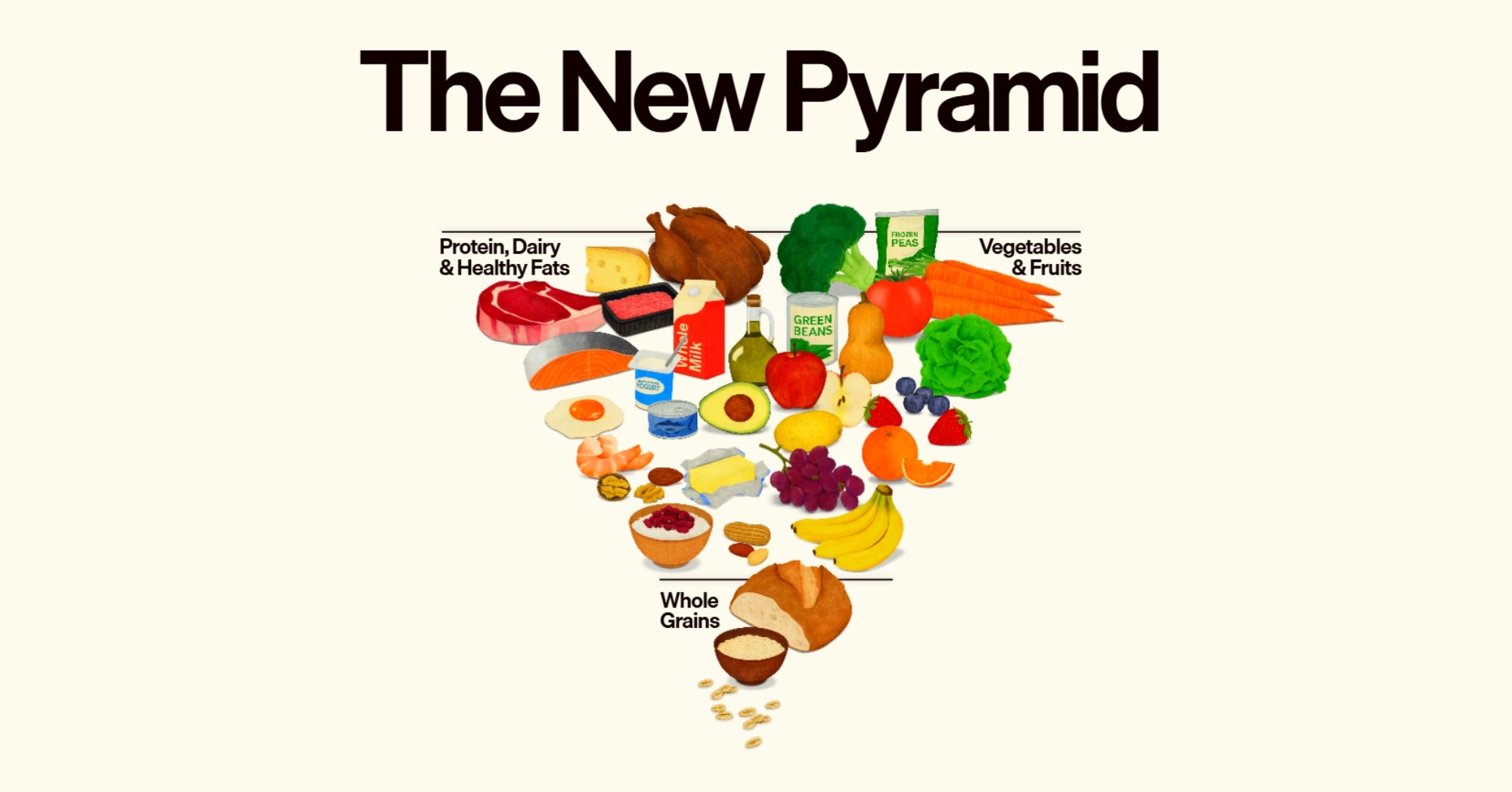
The new version of the Dietary Guidelines for Americans, created jointly by the U.S. Departments of Agriculture and the Department of Health and Human Services, may mark a turning point for the anti-seed oil movement. The recommendations, issued this week, no longer highlight seed oils as an alternative to products high in saturated fats. In keeping with previous advice, they do say to limit saturated fat to less than 10 percent of total daily calories, but at the same time suggest that olive oil, butter, and beef tallow are all acceptable options when cooking or adding fats to meals. The report also questions studies that show substituting saturated fats with unsaturated fats is beneficial.
Deirdre Tobias, an obesity and nutritional epidemiologist at both the Brigham and Women’s Hospital and Harvard Medical School, said the fact that the guidelines maintained past limits for saturated fats, sodium, and added sugars is a relief.
“That said,” she added, “I am not sure that it is feasible for Americans to actually achieve the goal for saturated fat when following the food-level recommendations, given the new emphasis for whole fat dairy products, instead of low-fat, and prioritization of animal meats among the protein foods.”
Claudia López Lloreda is a senior contributor at Undark and a freelance science journalist covering life sciences, health care, and medicine.
This article was originally published on Undark. Read the original article.