






Applications are now open for the 2026-27 National Teacher Ambassadors for FFA, a program designed to give agriculture educators advanced training, hands-on experience with National FFA resources, and a leadership role that extends beyond their own classroom through outreach and support in their state.
At its core, the program is built around working teachers helping other working teachers. The FFA’s latest report describes the ambassadors as a group of agriculture educators currently in the classroom who are trained to answer questions and provide training related to the various educational resources and experiences the National FFA Organization offers.
Applications for the 2026-27 term will close March 1. The next group of qualified teachers will be selected in the spring to serve in the program from June 2026 to June 2027.
The role is also explicitly outward-facing: ambassadors serve as advocates of the organization to teachers within home states and others across the country, with the broader goal to advance teacher ambassadors’ and other teachers’ professional growth.

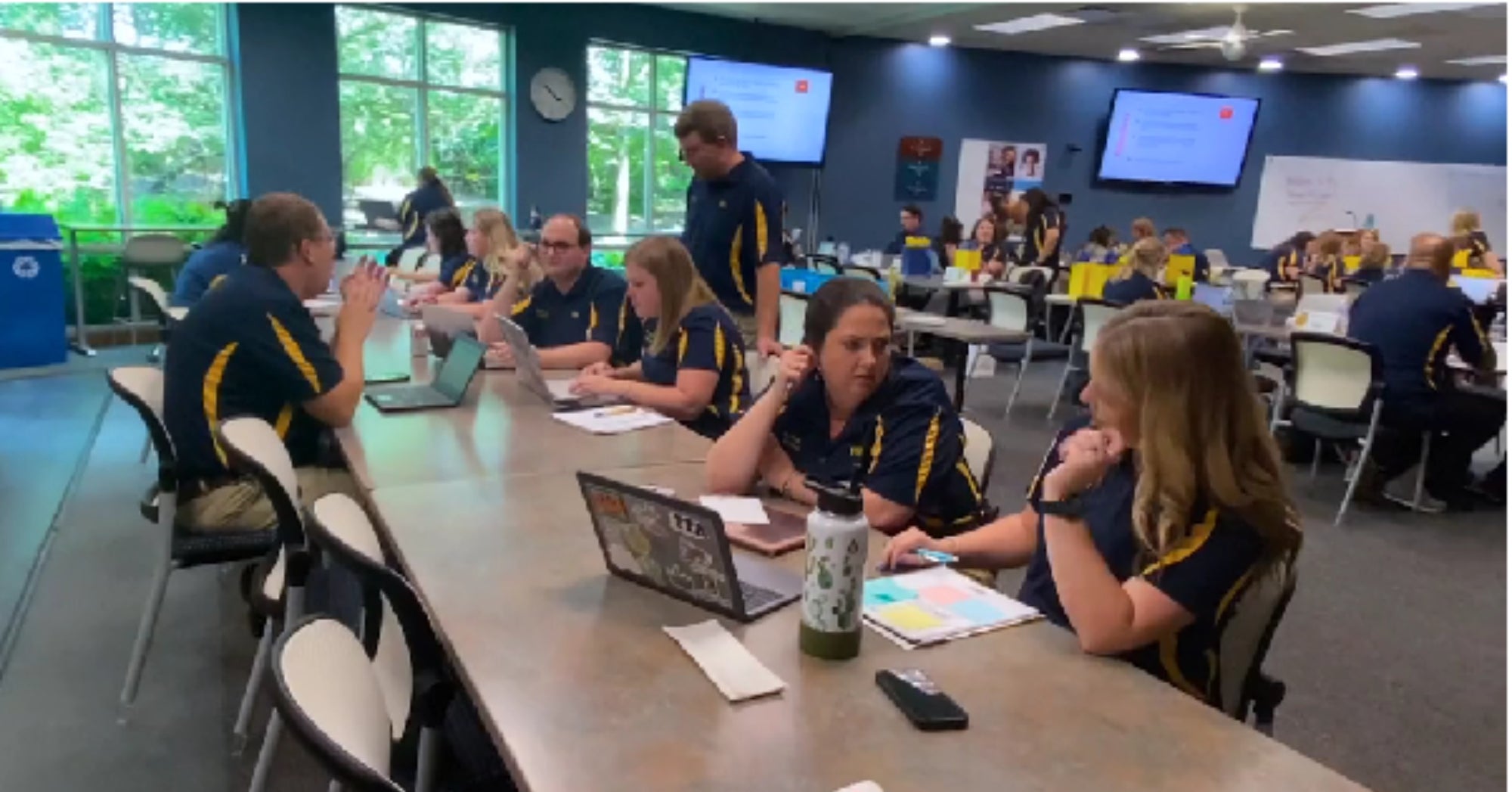
The program is intentionally structured so that teacher support is consistent and credible. All ambassadors attend an in-person training that prepares them for the responsibilities of the role, introduces the full range of National FFA resources, and builds their ability to plan and deliver strong educational sessions.
Training isn’t optional; it’s a required part of participation. From there, ambassadors extend National FFA’s reach by presenting workshops, gathering feedback from educators, and staying connected to one another throughout the year so they can brainstorm and share ideas across states. Over time, that combination of training, practice, and peer collaboration helps ambassadors become trusted guides for other teachers, recognized as go-to experts on FFA educational resources.
The outcomes from the 2024-25 term suggest this model works. Professional growth indicators were strong across the board, with 100 percent of ambassadors reporting the experience improved their ability to grow professionally. Many pointed to concrete gains like stronger knowledge of FFA resources, deeper networking with other agriculture teachers, and greater confidence in serving as a resource for peers.

Overall satisfaction was also high: 87 percent said the experience was “much better” than other professional development opportunities, and ambassadors rated the program 4.74 out of 5 stars. Workshop feedback reflected the same pattern. Across 1,464 attendees at ambassador-led sessions, 99 percent said the sessions were worth their time, and 100 percent rated the sessions as good or excellent.
The strongest evidence of impact, though, is often how educators describe the experience in their own words. Emma Hendley of North Carolina said, “This role has transformed my outlook — turning feelings of burnout into renewed motivation through a supportive and collaborative network committed to agricultural education.”
Jacob Ball from Kentucky described the experience as energizing and idea-driven. “Being part of the National FFA Teacher Ambassador program was such a fantastic experience! I really felt like I connected with other passionate educators and got to share my own ideas for making agricultural education even better for students. It was truly empowering and inspiring!”
AnnaMarie Sachs from South Dakota pointed out that practical support can change an entire year: “The National FFA Teacher Ambassador program provided me with the resources and support to thrive in difficult circumstances. Through the coaching, development and networking, I was able to show my school why my program is important and my abilities as a teacher. This year would have been much more stressful had I not been in this program.”
The program has also expanded to strengthen support through mentoring, adding a layer that helps amplify professional development and connection. Mentor/mentee relationships are designed to create an extra touchpoint for participants to connect and engage, with mentors supporting new ambassadors during training and throughout the year.
The mentoring framework is now closely tied to goal-setting as well, with participants developing SMART goals in defined categories. Among teacher ambassadors, the most common goal category was “Effectively promote resources and materials.” Among mentors, the most common categories emphasized relationship-building and progress: “Foster collaboration and networking” and “Monitor progress and celebrate success.”